Gas stove damper adjustment method
Upgrading your appliances can rejuvenate not only your home’s aesthetics but also its functionality. At QG Appliances 4 Less Springdale, we provide an extensive selection of open box, scratch, and dented appliances that offer both quality and value. Serving not just Springdale but also nearby cities like Fayetteville, Rogers, Bentonville, and Lowell.
Have you ever encountered such a problem: the gas stove flame is always yellowing, when burning, "puffing" sound, and even out of the flame, backfire and other dangerous phenomena? The crisis can be easily solved by adjusting your gas stove door.
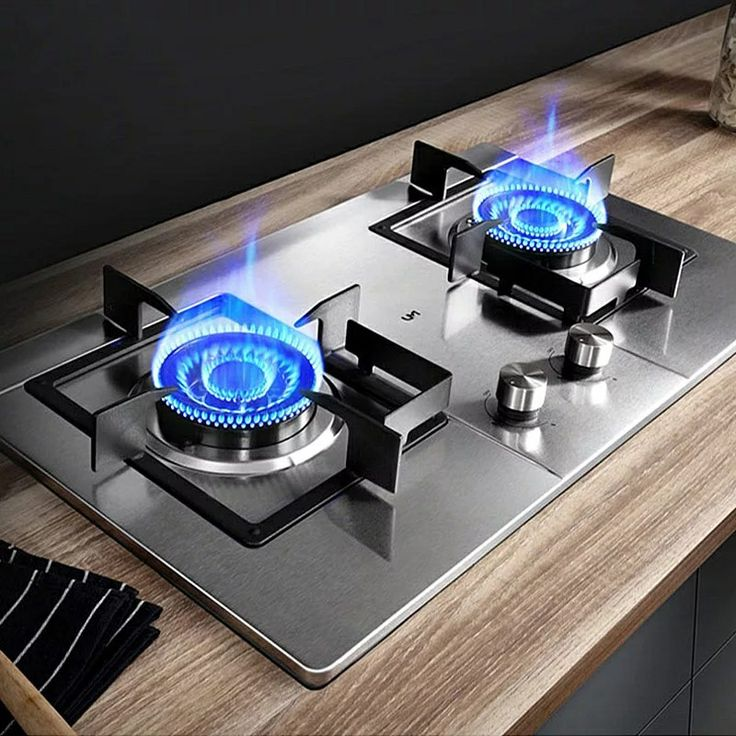
1、why should adjust the gas stove damper?
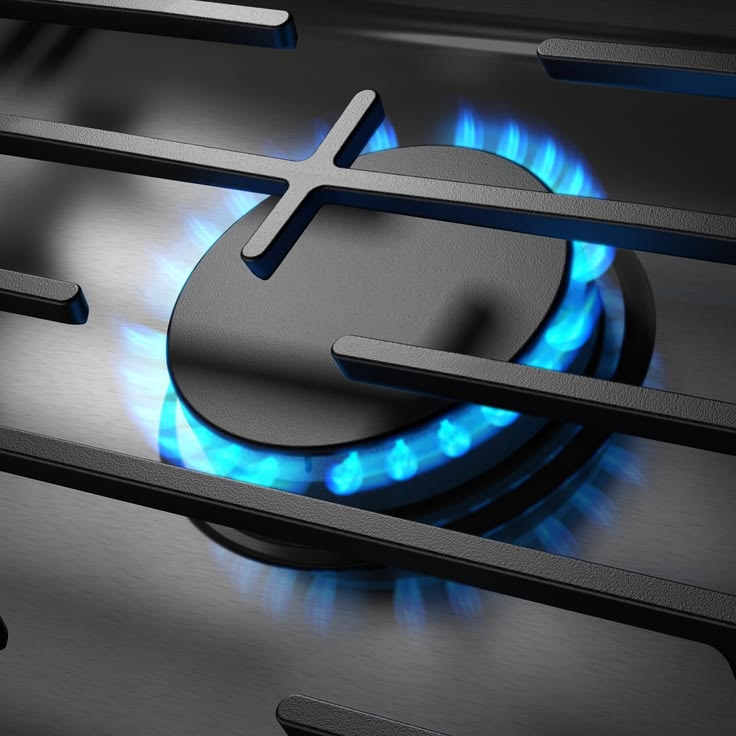
The combustion process of gas stoves requires precise control of the mixing ratio of gas and air. As the core component of adjusting the air intake, the air door directly affects the flame state: if the air intake is insufficient, insufficient gas combustion will produce yellow flame, black smoke, and even carbon monoxide; if the air intake is too large, it will cause flame separation and backfire., And even cause the risk of deflagration. The scientific damper can make the flame show a stable blue cone. At this time, the gas combustion efficiency is the highest, and the thermal efficiency can reach more than 60%, while reducing harmful gas emissions.
2、Three core methods of damper adjustment
· Flame Color Observation Method: After lighting the gas stove, first set it to the lowest flame setting and observe the flame color. The ideal flame should be blue and cone-shaped, with a 2–3mm yellow tip at the top. If the flame turns yellow, increase the air intake clockwise; if the flame flickers or flames out, decrease the air intake counterclockwise.
· Burner Disassembly Method: For some built-in gas stoves, the burners must be removed to perform fine adjustments. Use a screwdriver to remove the burner base, and you will see the air damper flap. By adjusting the damper blade angle, the air intake can be finely tuned in 0.5–2mm increments, making it ideal for users with exacting requirements for combustion performance.
· Seasonal adaptation method: when the gas density increases in winter, the air intake shall be appropriately increased (1/4 turn clockwise); When the gas density decreases in summer, the air intake shall be reduced (1/4 turn counterclockwise). This method can prevent combustion abnormalities caused by temperature fluctuations.
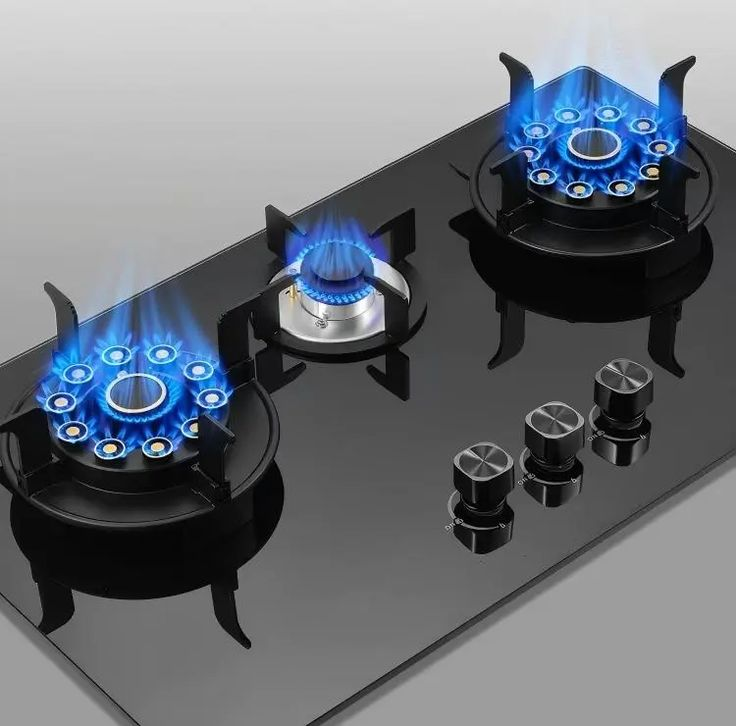
3、Precautions
· Be sure to shut off the gas valve before making any adjustments: Before starting, confirm that the gas stove is completely turned off and the main gas supply valve is closed to prevent the risk of a gas leak.
· Use Professional Tools: Adjust the damper using a screwdriver or a dedicated adjustment wrench. Do not turn the damper by hand to prevent damage to the precision components.
· Step-by-step adjustment and observation: the adjustment range shall not exceed 1/8 circle each time. After adjustment, re-ignite and observe the flame state to avoid over-adjustment caused by "one step in place.
· Regular maintenance and inspection: It is recommended to check the status of the air door every 3-6 months. If problems such as air door sticking and burner carbon deposit are found, professional personnel should be contacted in time for handling.
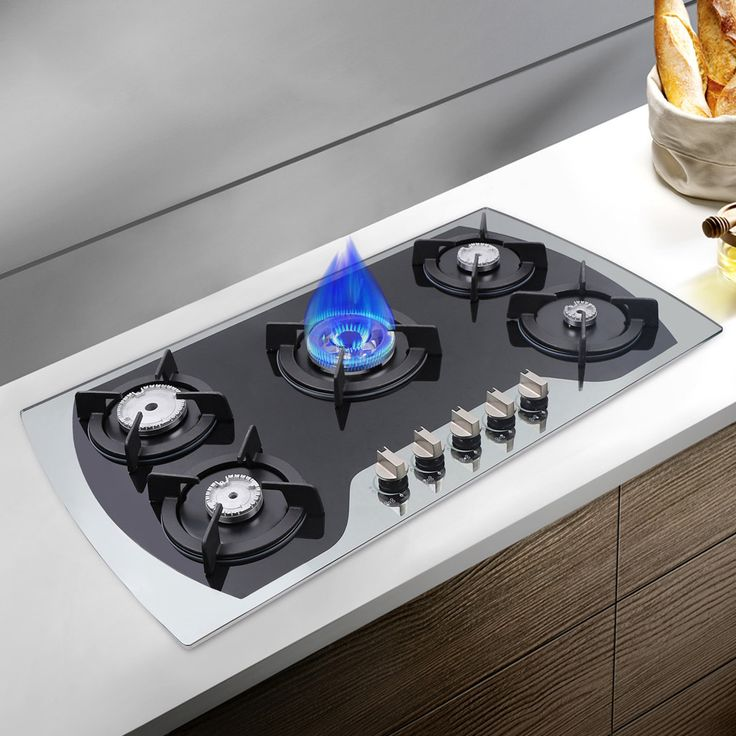
4、Advanced Tips
For users who pursue the ultimate cooking experience, they can try the "double fire eye collaborative adjustment method": first adjust the main fire eye to the ideal state, and then adjust the auxiliary fire eye based on the main fire eye. This method can ensure that the combustion state of the two fire eyes is consistent, and avoid the uneven fire caused by the difference of the air door. In addition, if liquefied petroleum gas is used, the opening of the air door needs to be adjusted to 70%-80% of the natural gas user to adapt to the combustion characteristics of different gases.
5、Standard adjustment steps
· Safety preparation: close the main gas valve, disassemble the burner and clean the carbon deposit to ensure that there is no open flame in the regulated environment.
· Preliminary adjustment: ignite the gas stove, adjust the firepower to the minimum, and observe the flame color. If it is yellow, adjust the damper 1/8 turn clockwise; If it is blue but erratic, adjust 1/8 turn counterclockwise.
· Secondary verification: Re-ignite after adjustment, and observe whether the flame returns to a stable blue cone. If not, repeat step 2 until the desired state is reached.
· Final confirmation: after the adjustment is completed, test whether the firepower of each gear is uniform to ensure that there is no flame separation and backfire. Record the current damper position as a reference for subsequent adjustments.
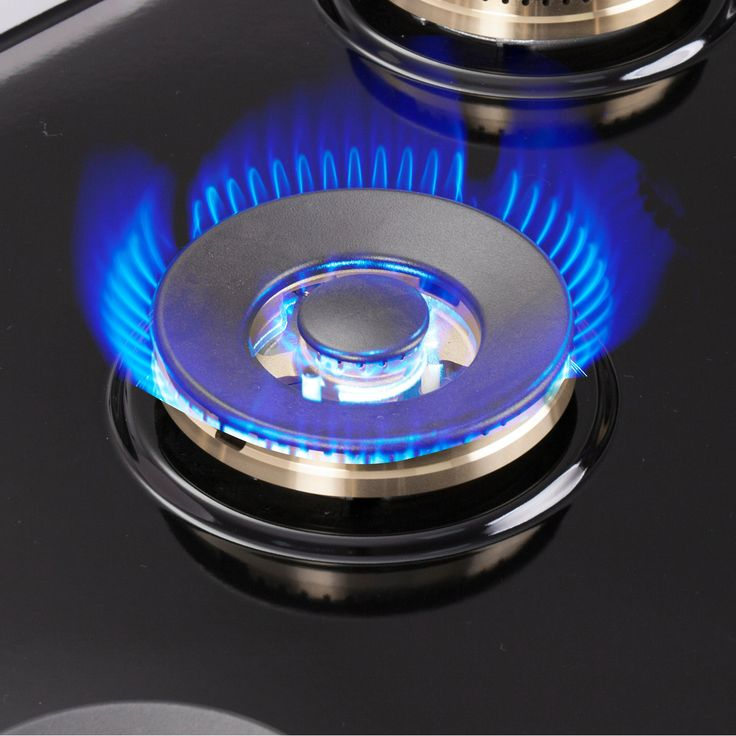
The adjustment of the gas stove damper seems complicated, but in fact it follows the four major steps of "observation-adjustment-verification. After mastering these methods, you can not only solve the daily burning problem, but also become the guardian of family gas safety.