Gas stove purchase matters needing attention
Upgrading your appliances can rejuvenate not only your home’s aesthetics but also its functionality. At QG Appliances 4 Less Springdale, we provide an extensive selection of open box, scratch, and dented appliances that offer both quality and value. Serving not just Springdale but also nearby cities like Fayetteville, Rogers, Bentonville, and Lowell.
Are you confused when choosing a gas stove, hesitant on a variety of materials and energy efficiency? As the core equipment of the kitchen, the gas stove considers multiple factors such as material, structure, energy efficiency and so on.
1. Type
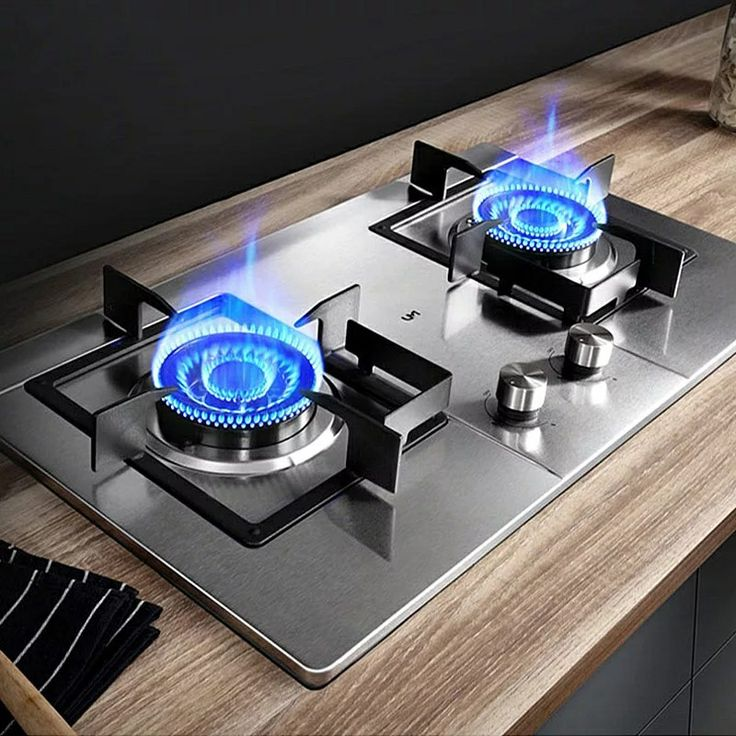
· Double-eye stove: mainstream choice, suitable for daily family cooking, double stove at the same time high efficiency, the price is close to the people.
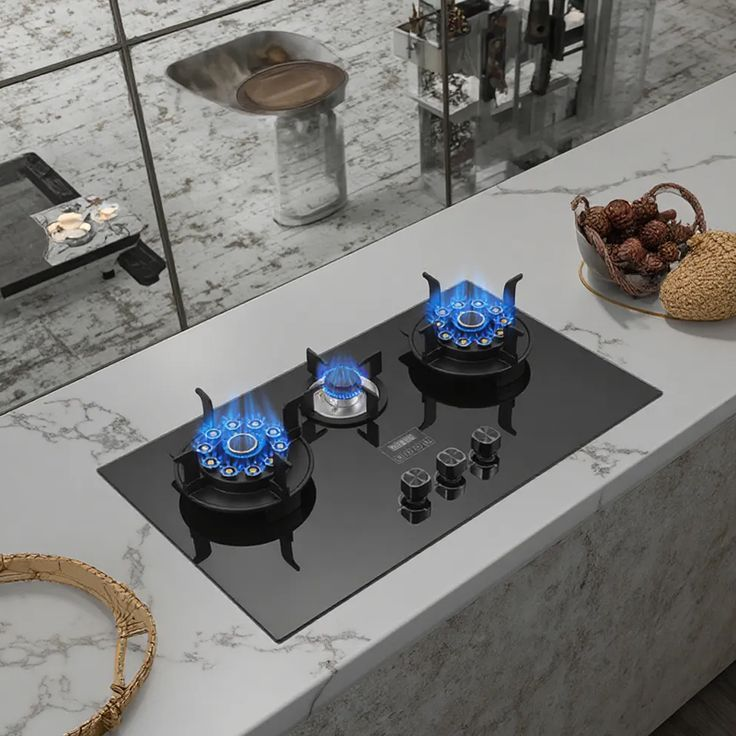
· Three-eye stove: suitable for multi-tasking families that often need to stew, fry and steam at the same time, but it takes up a lot of countertop space and requires sufficient kitchen space.
· Fully embedded gas stove: integrated design with cabinets, beautiful and easy to clean, but high installation cost, maintenance needs to remove cabinets, suitable for users who pursue overall kitchen aesthetics.
2. Material of fire cover
Preferably brass or copper alloy fire cover, the weight of the fire cover is not less than 350 grams.
· Brass/copper alloy: fast thermal conductivity, high temperature resistance (above 600 ℃), corrosion resistance, weight ≥ 350g more durable, long-term use is not easy to deform, but the cost is higher.
· Steel: light and low price, but weak high temperature resistance (about 400 ℃), long-term high temperature oxidation brittle, may crack leakage.
· Cast iron: high temperature resistant but easy to rust, need frequent maintenance, otherwise the rust slag block fire hole, affect the combustion efficiency.
3. Stove structure
Preferably all copper in one.
· All-copper integration: the central fire cover, distributor, and base are all made of copper, with the same thermal expansion coefficient, long-term use without cracking, high temperature resistance and corrosion resistance, and a life span of up to 10 years, but the cost is the highest.
· Inner copper and outer steel: only the central part is copper material, which has poor durability and short service life.
· Upper copper and lower aluminum: The upper copper and lower aluminum are made of copper for the fire cover and distributor, and the base is made of aluminum. This kind of long-term thermal expansion and cold contraction will deform.
4. Material of furnace head
Aluminum furnace head is preferred.
· Aluminum furnace head: light and corrosion-resistant, fast heat dissipation, suitable for high-frequency use, but pay attention to the selection of high-purity aluminum to avoid impurities causing cracking.
· Stainless steel stove head: high temperature resistance but slow heat conduction, heat control is not sensitive enough, suitable for stewing cooking.
· Copper stove head: excellent thermal conductivity, accurate heat, but heavy weight, high cost, suitable for professional kitchen.
· Iron furnace head: easy to rust, need frequent maintenance, not recommended for ordinary families.

5. Panel material
Preferably explosion-proof glass panel, with metal edge best.
· Explosion-proof glass panel: beautiful and easy to clean, high temperature resistance (up to 300 ℃), with metal edge to prevent impact and fragmentation, and higher safety.
· Stainless steel panel: durable and scratch-resistant, but oil stains are difficult to clean, long-term use is easy to leave scratches, affecting the appearance.
6. Ignition mode
Electronic pulse ignition is preferred.
· Electronic pulse ignition: high instantaneous ignition success rate (≥ 90%), no need for continuous pressing, strong durability, suitable for high-frequency use.
· Ignition of piezoelectric ceramics: it needs to be pressed hard many times, the ignition speed is slow, it is easily affected by humid environment, and the failure rate is high.

7. Parameters
Preferred primary energy efficiency + 5.2KW.
· First-level energy efficiency: thermal efficiency ≥ 63%, energy saving and gas saving, lower long-term use cost.
· Heat load: Represents the heat output value; the national standard range for household use is 3.5~5.23kW.
8. Air intake mode
Preferably full air intake.
· Full air intake: air intake at the same time, sufficient oxygen supply, full combustion, stable flame, and highest safety.
· Upper air intake: only upper air intake, easy to lack of oxygen lead to yellow flame, high carbon monoxide emissions, poor safety.
· Lower air inlet: lower air inlet, air inlet channel should be reserved for installation, otherwise it is easy to temper, and professional installation is required.

9. Fire Regulation
Stepless adjustment is preferred.
· Stepless adjustment: smooth transition of firepower, seamless switching from slow fire to fierce fire, suitable for fine cooking (such as stew, fried egg).
· Sub-gear adjustment: only 3-5 gears are available, the firepower jump is large, it is difficult to control accurately, and it is suitable for simple cooking needs.
Conclusion
The purchase of gas stoves is a knowledge that combines scientific rationality and life wisdom. It needs to find the best balance between science, practicality and cost. It is recommended that each consumer make a personalized matching choice in combination with their own cooking habits.