Half Bridge Technology of Induction Cooker
Upgrading your appliances can rejuvenate not only your home’s aesthetics but also its functionality. At QG Appliances 4 Less Springdale, we provide an extensive selection of open box, scratch, and dented appliances that offer both quality and value. Serving not just Springdale but also nearby cities like Fayetteville, Rogers, Bentonville, and Lowell.
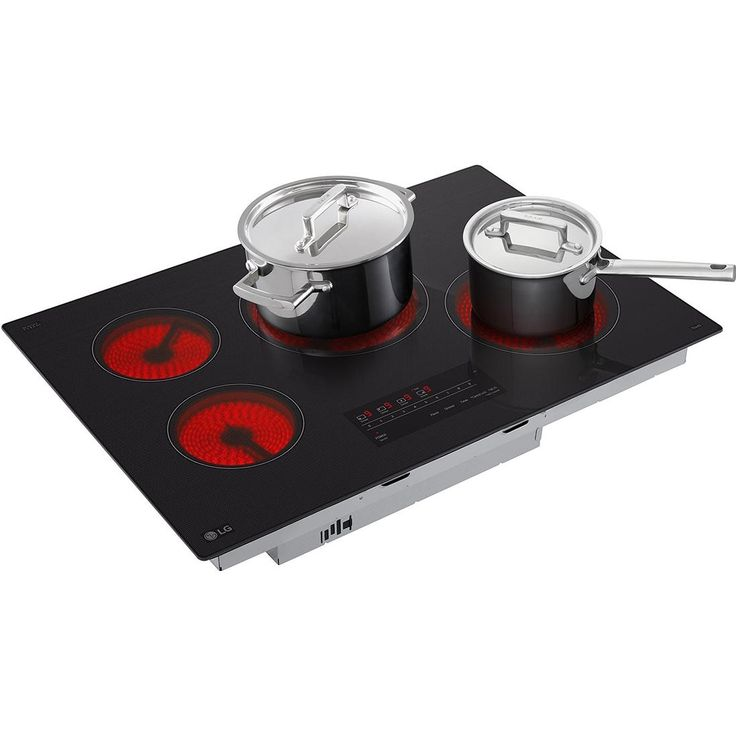
Are you curious about how the induction cooker achieves fast and uniform heating and energy saving and high efficiency? Half-bridge technology is the core technical support behind it. As a precise power electronic topology, the half-bridge induction cooker forms a high-frequency alternating magnetic field through alternating conduction of double switch tubes, efficiently generates eddy current heat energy at the bottom of the iron pan, and realizes more than 92% thermal efficiency conversion, which not only shortens cooking time but also reduces power consumption, and perfectly meets the needs of efficient and green household appliances.
1、Half bridge technology
The half-bridge topology consists of two switches (such as IGBTs or SiC MOSFETs) and a capacitor to form a "high-low-zero" 3-state voltage output. When the upper tube is turned on, the coil obtains a forward voltage; when the lower tube is turned on, a reverse voltage is obtained; when both tubes are turned off, they enter a zero voltage state. This alternating working mode generates a high-frequency alternating magnetic field (20-50kHz) in the load coil, and generates eddy current at the bottom of the iron pot through electromagnetic induction to achieve no open flame heating. Experiments show that the voltage utilization rate of the half-bridge topology is 95%, which is much higher than 70% of the single-tube scheme, ensuring that the coil current is smaller and the heating is lower under the same power.
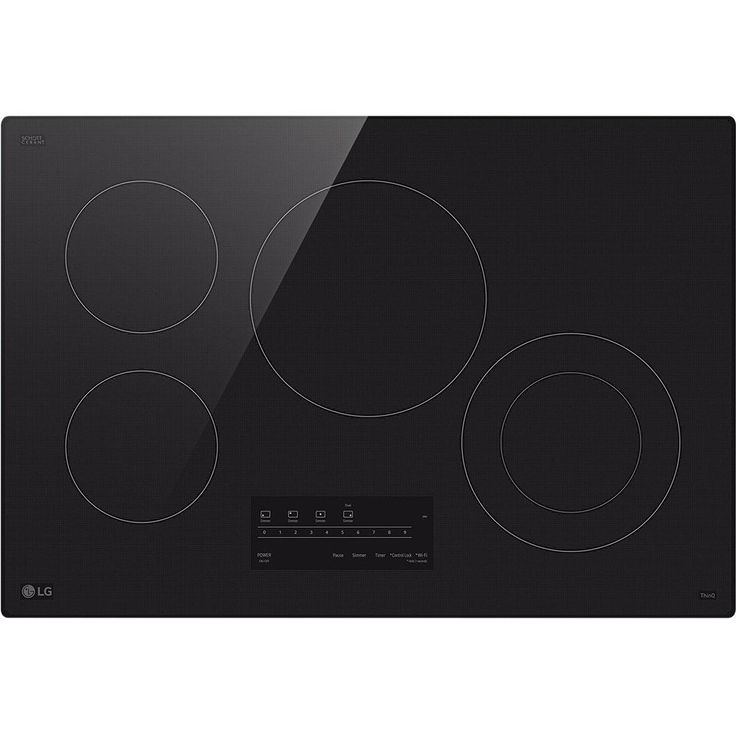
2、Core advantages of half-bridge technology
· High-efficiency conversion: half-bridge topology adopts soft switching technology, which reduces switching loss by 40% and thermal efficiency by 92% (about 85% for single-tube scheme). Taking 2000W power as an example, the half-bridge model consumes 1.8 degrees per hour, which is 0.3 degrees less than the single-tube model.
· Accurate power control: Through PWM (pulse width modulation) technology, the half-bridge scheme can realize 1W power regulation to meet the fine requirements of slow stewing and stir-frying.
· Thermal management optimization: double switch tube to share the load current, single tube temperature rise reduced by 30%, extended device life. With thermistor and cooling fan, the half-bridge model can realize stable operation in a wide temperature range from -40 ℃ to 120 ℃.
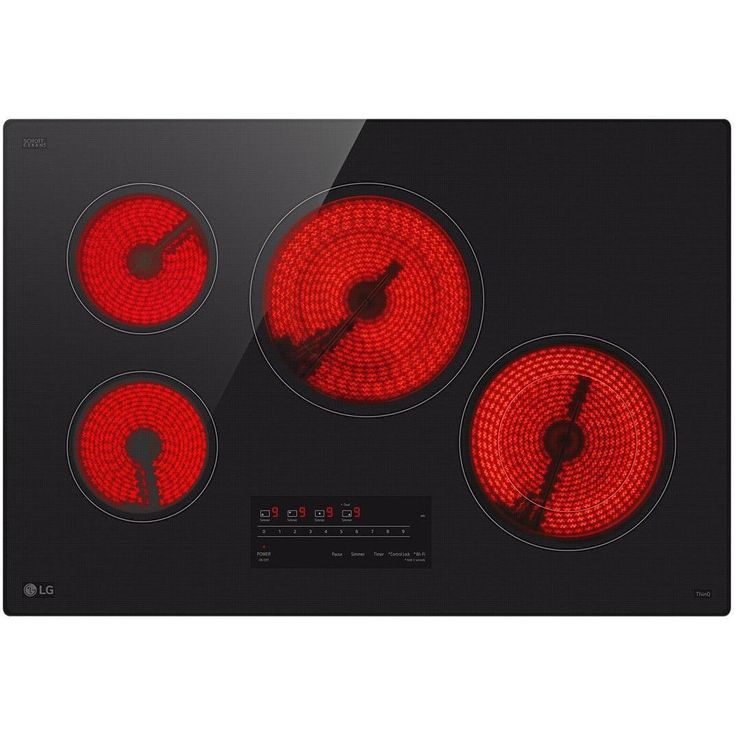
3、Comparison of half bridge and single tube technology
· Difference in circuit structure: The single-tube scheme adopts single-ended topology, only one switch tube and diode is required, the circuit is simple and the cost is low, but there are problems of large "hard switch" loss and low voltage utilization. The half-bridge scheme requires two switches and a drive circuit, which increases the cost by 20%, but the performance is significantly improved.
· Power output capacity: The maximum power of the single-tube scheme is usually limited to 1500W, which is suitable for small-capacity induction cookers; the half-bridge scheme can support high power above 3000W to meet the needs of large families for fast cooking.
· Electromagnetic compatibility: The half-bridge topology reduces electromagnetic interference (EMI) through symmetrical design and conforms to the FCC Part 15 electromagnetic radiation standard. The EMI problem is more prominent in the single-tube scheme due to asymmetric current waveforms, and additional filter circuits are required.
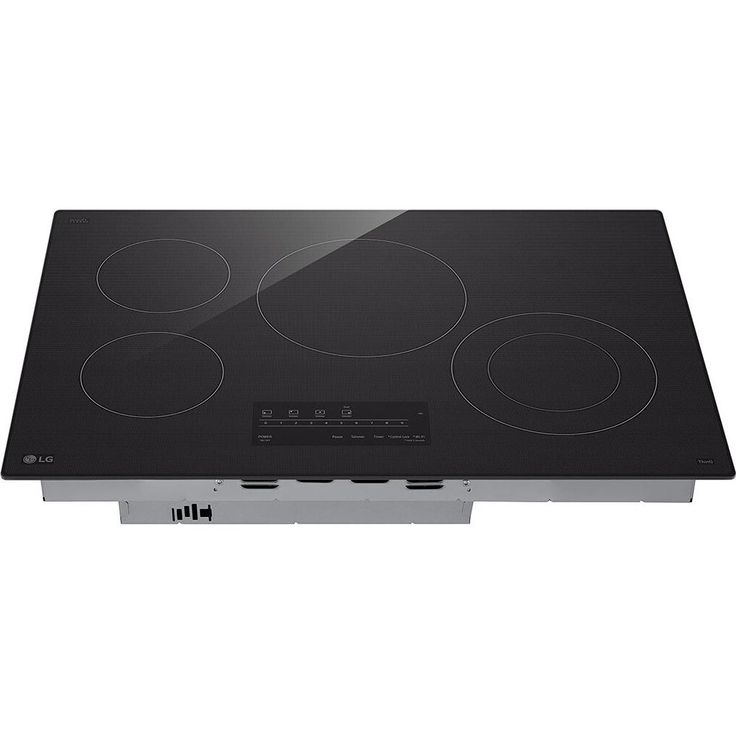
4、Core points of purchase
· Power and scene adaptation: 1-2 families recommend 1500W single-tube models, 3-4 families choose 2000W half-bridge models, and families with more than 5 people consider more than 3000W high-power half-bridge models.
· Energy efficiency and certification: Energy Star certification models are preferred. Level 1 energy efficiency products can save 10% energy than level 2 energy efficiency, and the long-term use cost is lower.
· Safety features: confirm the overheat protection, no-load detection, child lock function, in line with UL 1026 safety standards, to avoid the risk of dry or accidental touch.
· Brand and after-sales: Choose brands that provide long-term warranty services to ensure long-term use without worry; give priority to brands that provide 24-hour customer service and fast maintenance services.
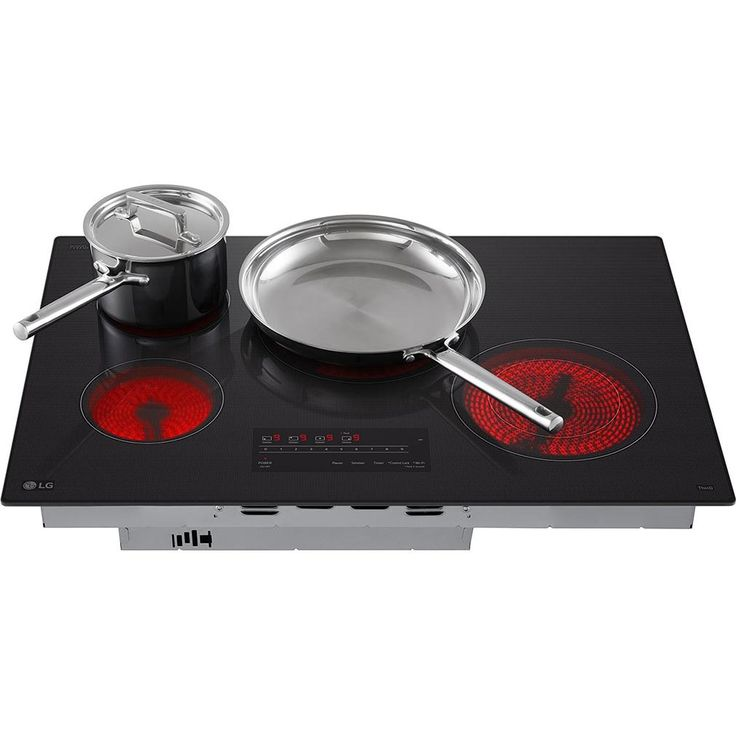
Conclusion
After deeply understanding the scientific principle of half-bridge technology and accurately grasping the key points of purchase, you can not only accurately match and adapt the model according to the family cooking needs, but also prolong the service life of the equipment through scientific use and regular maintenance, and finally realize the dual goals of enabling green kitchen and energy saving and emission reduction through science and technology. This is not only the wisdom choice of modern kitchen, but also the scientific practice of practicing the concept of sustainable living.