Home appliance maintenance strategies
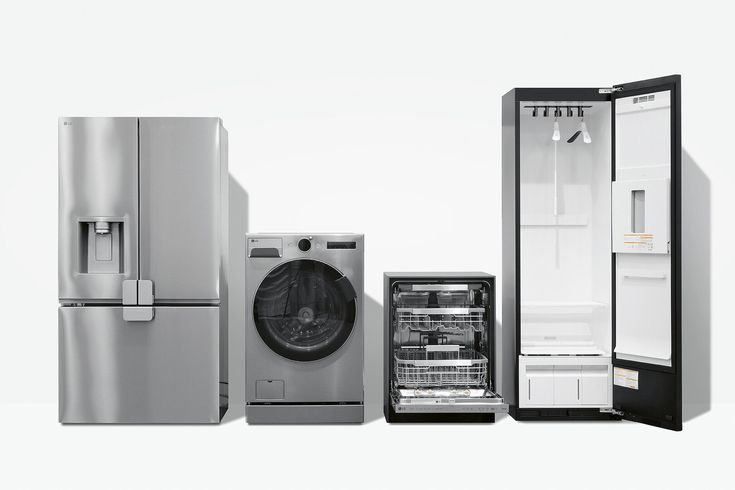
Upgrading your appliances can rejuvenate not only your home’s aesthetics but also its functionality. At QG Appliances 4 Less Springdale, we provide an extensive selection of open box, scratch, and dented appliances that offer both quality and value. Serving not just Springdale but also nearby cities like Fayetteville, Rogers, Bentonville, and Lowell.
The scientific maintenance of home appliances is the key to improving the quality of life and safety. Through systematic care, oven heating efficiency can be increased by 25%, dishwasher cleaning efficiency can be enhanced by 40%, and dryer energy consumption can be reduced by 15% to 20%. Below I will focus on the three essential household appliances - ovens, dishwashers, and dryers - and build a professional maintenance system from three dimensions - deep cleaning, component maintenance, and usage norms - to keep the appliances performing at their best.
.png)
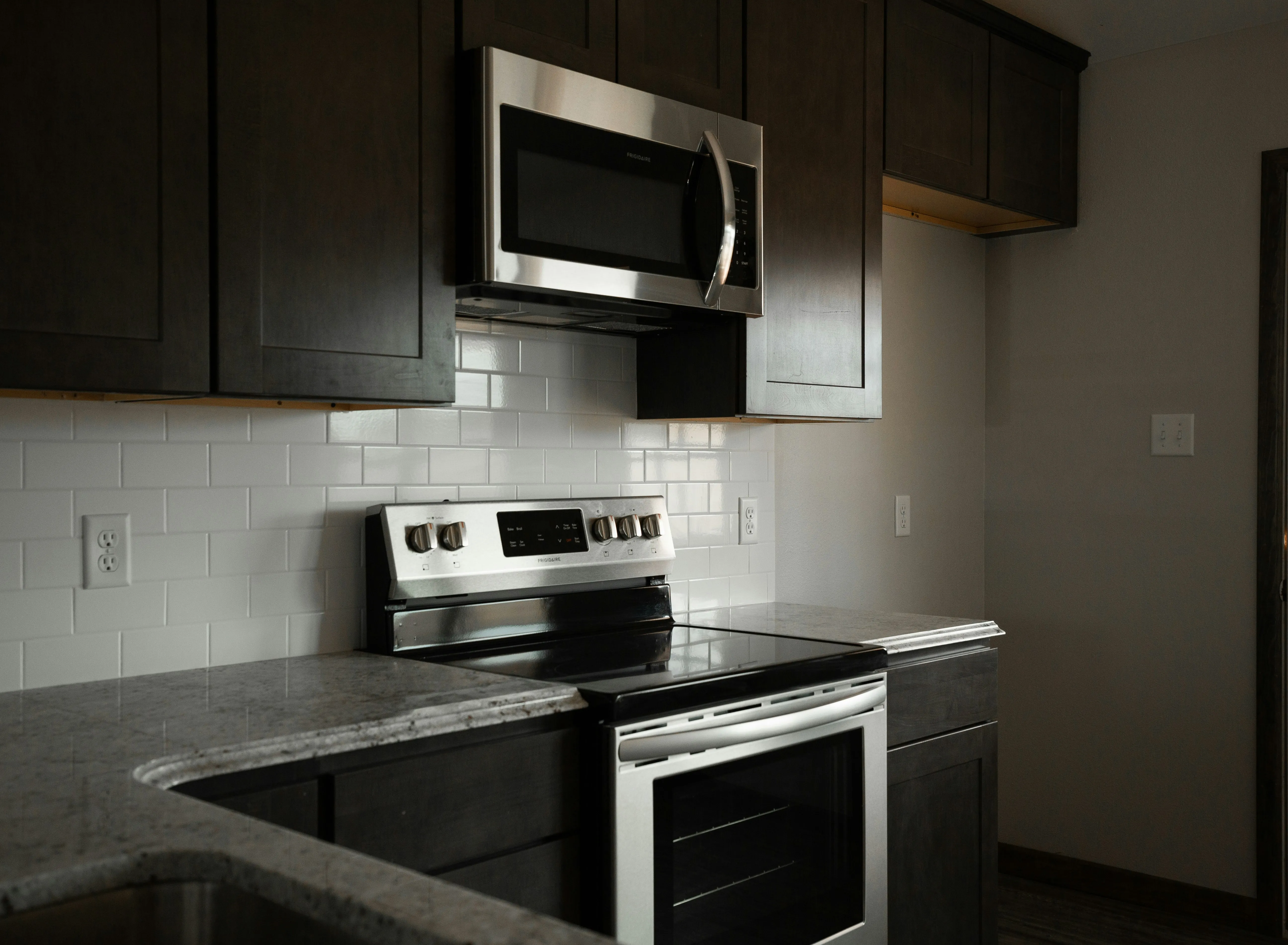
1. Oven
Laboratory tests show that for every 0.5mm increase in the thickness of grease on the inner wall of an uncleaned oven, the heating time is extended by 30 seconds, and the accumulation of burnt matter leads to a 20% decrease in heat conduction efficiency. Scientific maintenance should be done:
Deep cleaning cycle: Wipe the inner wall with a wet cloth while it's still hot after each use to prevent grease from solidifying; Deep clean the heating tube with a dedicated cleaner every month, avoiding direct wiping with a wet cloth to prevent short circuits; Perform "steam cleaning" every quarter - steam at 100 ° C for 15 minutes to soften stubborn stains, and wipe with a non-steel surface of a scouring pad.
Key points for component maintenance: The door seal strips should be wiped with alcohol wipes every six months to check for resilience; For baking tray maintenance, soak in warm water with neutral detergent for 10 minutes and gently scrape off stubborn scorch stains with a bamboo scraper; Run the self-cleaning function once a quarter to prevent high temperatures from damaging the inner coating.
Use Specification Innovation: Avoid heating sealed containers to prevent bursting; Stand the heated liquid for 1 minute before removing it to prevent scalding; Leave 20% of space during baking to ensure hot air circulation and avoid excessive accumulation affecting heating efficiency.
.png)
2. Dishwashers
Research data on dishwashers shows that clogged spray arms of unmaintained dishwashers can expand flushing blind spots by 40% and reduce cleaning efficiency by 35%. Scientific maintenance tips:
Deep cleaning plan: After each use, remove the coarse and fine filters and rinse off any remaining food residue; Perform "idle cleaning" every month - pour in a dedicated cleaner and select "Strong Wash" mode to remove pipe odors; Check the spray arm holes every quarter and use a toothpick to clear the blockages to ensure the flushing effect.
Component maintenance details: Replenish soft water salt in time when it is below the scale line to prevent scale buildup; The door seal is wiped with alcohol every quarter to check the sealing performance. Leaks can lead to an 18% increase in energy consumption. Keep the door slightly open when not in use for a long time to prevent the rubber seal from aging.
Upgraded usage contraindications: Avoid placing non-suitable tableware such as wood or hand-painted ceramic; High-temperature washing mode requires special detergent to avoid residue from regular detergent affecting the lifespan of the tableware; The tableware should follow the principle of "bowl mouth down, cup mouth tilted" to ensure that there are no blind spots in rinsing.
.png)
3. Dryer
Data shows that regular maintenance of dryers can reduce energy consumption by 20% and reduce wrinkles on clothes by 30%. Scientific maintenance requires mastering:
Key points for deep cleaning: Clean the lint filter after each use to prevent clogging and affecting ventilation; Clean the heat exchanger with a soft-bristled brush every quarter to ensure heat dissipation efficiency; The body shell is cleaned monthly with an electrostatic duster to prevent dust from accumulating and affecting air intake.
Component maintenance science: Wipe the door seal with an alcohol swab every six months and check the resilience; The sensor should be cleaned weekly with a cotton swab to ensure detection accuracy; Check the drainage pump quarterly to prevent foreign objects from clogging and affecting the drainage.
Use Specification Innovation: Select the appropriate program based on the material of the clothing. For cotton clothing, choose the "cotton fabric" mode; for silk, choose the "Soft" mode; Avoid overpiling clothes and ensure the circulation of hot air; When using the anti-wrinkle feature, hang your clothes with a hanger to reduce wrinkles.
Conclusion
The essence of scientific care is to keep appliances running at their best. Through regular deep cleaning, professional component maintenance, and scientific usage norms, not only can the lifespan of appliances be extended, but also a healthy and efficient living environment can be created. Starting today, replace passive repair with systematic maintenance thinking and make every appliance a reliable partner for improving the quality of life.