What is the difference between refrigerators of different energy efficiency grades
Upgrading your appliances can rejuvenate not only your home’s aesthetics but also its functionality. At QG Appliances 4 Less Springdale, we provide an extensive selection of open box, scratch, and dented appliances that offer both quality and value. Serving not just Springdale but also nearby cities like Fayetteville, Rogers, Bentonville, and Lowell.
Don't you know what the energy efficiency level of the refrigerator is? Don't you know the difference between different energy efficiency levels? Next, I will make a simple popular science based on the difference between the first level energy efficiency and the third level energy efficiency of the refrigerator.
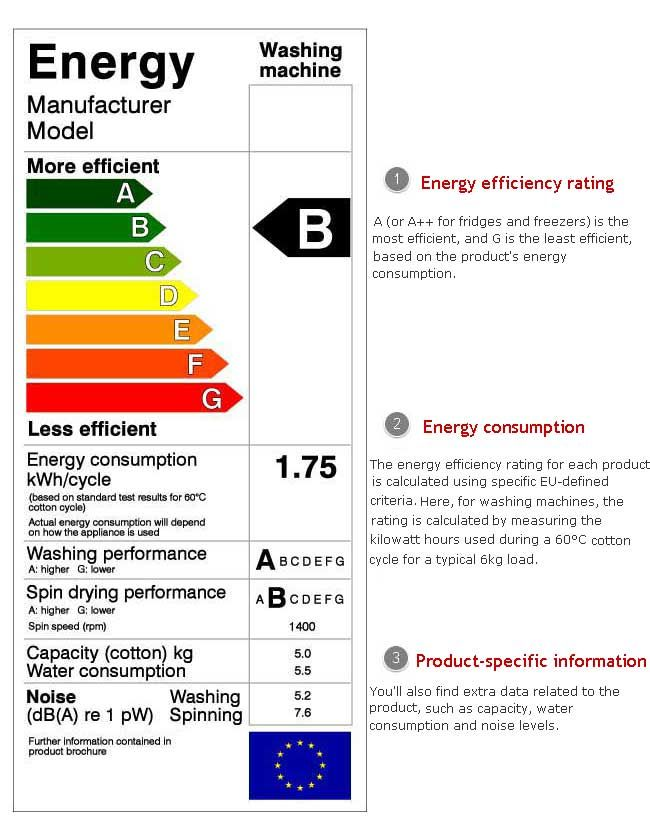
1. Power consumption difference:
· The first-level energy-efficient refrigerator: the use of advanced energy-saving technologies, such as variable frequency compressors, high-efficiency insulation materials, etc., the daily power consumption is significantly lower than other levels. For example, the daily power consumption of 500-litre Class I energy-efficient refrigerators is about 0.55 kWh and the annual power consumption is about 200 kWh, which is about 40% less than that of Class III energy-efficient refrigerators.
· Secondary energy-efficient refrigerators: power consumption is slightly higher than the first level, but still belong to energy-saving products. The daily power consumption of 500-litre secondary energy-efficient refrigerators is about 0.275-0.375 degrees, and the annual power consumption is about 100-135 degrees.
· Level 3 and below energy efficiency refrigerators: high power consumption, such as level 3 energy efficiency 500 liter refrigerator daily power consumption of about 0.55-0.69 degrees, annual power consumption.
2. Long-term cost variance:
· Level 1 energy-efficient refrigerators: Although the initial purchase price is higher, long-term use can save considerable electricity bills. For example, a tier -1 energy-efficient refrigerator can save about $40 per year in electricity costs compared to a tier -3 energy-efficient refrigerator, with cumulative savings of about $500 over 8-10 years of use.
· Secondary energy efficiency refrigerator: moderate price, long-term use cost is lower than tertiary energy efficiency, but higher than primary energy efficiency.
· Level 3 and below energy efficiency refrigerators: the initial purchase price is lower, but the long-term use of electricity costs are higher, the overall cost may be higher than the high energy efficiency grade refrigerator.
3. Difference in performance experience:
· First-level energy-efficient refrigerators: usually use more advanced compressor technology, insulation materials and temperature control systems, lower operating noise (generally less than 38 decibels), smaller temperature fluctuations, better preservation effect, and longer service life.
· Secondary energy-efficient refrigerators: perform well, but may be slightly inferior to primary energy-efficient refrigerators in terms of noise control and temperature stability.
· Level 3 and below energy efficiency refrigerators: may be poor in noise, temperature control, preservation effect, etc., and prone to failure.
4. Other Considerations:
· Volume utilization: The new national standard introduces a volume utilization correction factor to encourage larger internal space under the same external dimensions. For example, a 500-liter refrigerator can have 50-100 liters more usable space for the new standard product under the same size.
· Intelligent function: some high-end refrigerators have intelligent temperature control, remote control, food management and other functions to enhance the user experience.
· Health functions: such as sterilization, clean taste, preservation and other functions, have an important impact on food storage safety and freshness.
The choice of refrigerator energy efficiency rating is essentially a balance between current investment and long-term benefits. In today's rapid iteration of technology, consumers should abandon the "energy-only theory" and focus on core indicators such as "unit volume power consumption", "temperature stability" and "preservation technology. In this way, while obtaining high cost performance, it also takes into account environmental protection.