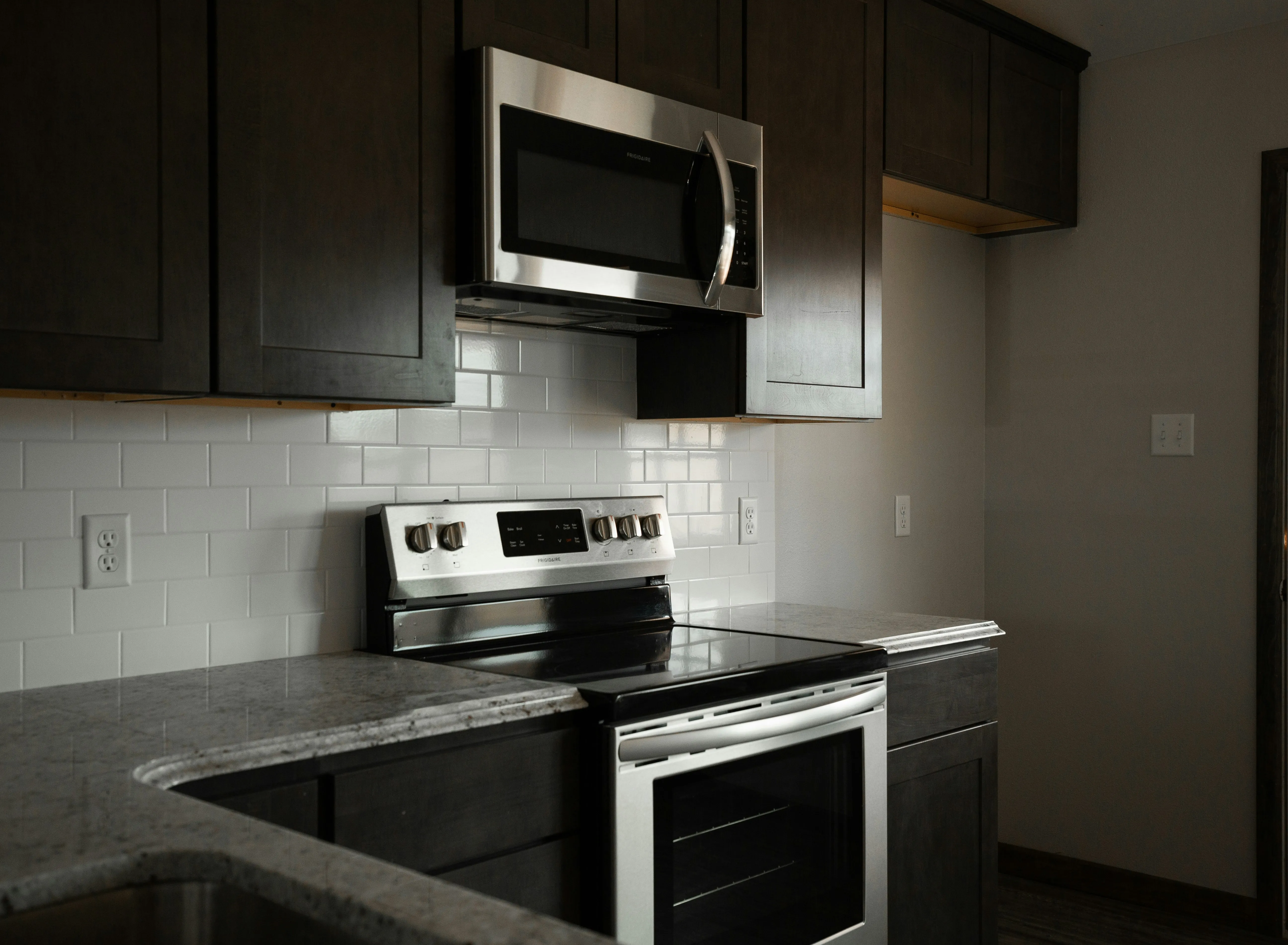
What kind of container should be used for heating in a microwave oven?
Upgrading your appliances can rejuvenate not only your home’s aesthetics but also its functionality. At QG Appliances 4 Less Springdale, we provide an extensive selection of open box, scratch, and dented appliances that offer both quality and value. Serving not just Springdale but also nearby cities like Fayetteville, Rogers, Bentonville, and Lowell.
Have you ever encountered a situation where the container suddenly breaks, the food smells or even sparks while heating in the microwave? These dangerous scenarios often stem from the wrong choice of container. As the kitchen high-frequency use of electrical appliances, microwave oven heating container safety and functionality directly affect the health of the diet and equipment life.
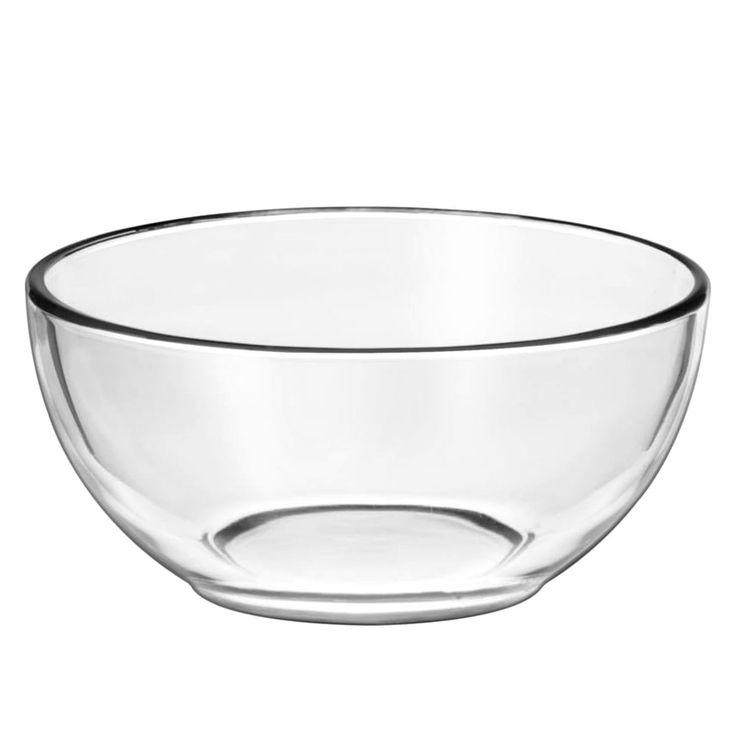
1. glass bowl:
· Recommended reason: high borosilicate glass bowl high temperature up to 450 ℃, excellent thermal stability, heating is not easy to break. Transparent material is easy to observe the state of food, suitable for heating soup, porridge and other liquid food, and will not release harmful substances.
· Precautions: Avoid sudden cooling and sudden heating. If you just take it out of the refrigerator and directly heat it, it may cause cracking. Select pure glass material without color coating to prevent pigment from precipitating at high temperature. Check whether the bowl body has the "microwave oven applicable" logo. Ordinary glass bowls may crack when heated due to sodium calcium components.
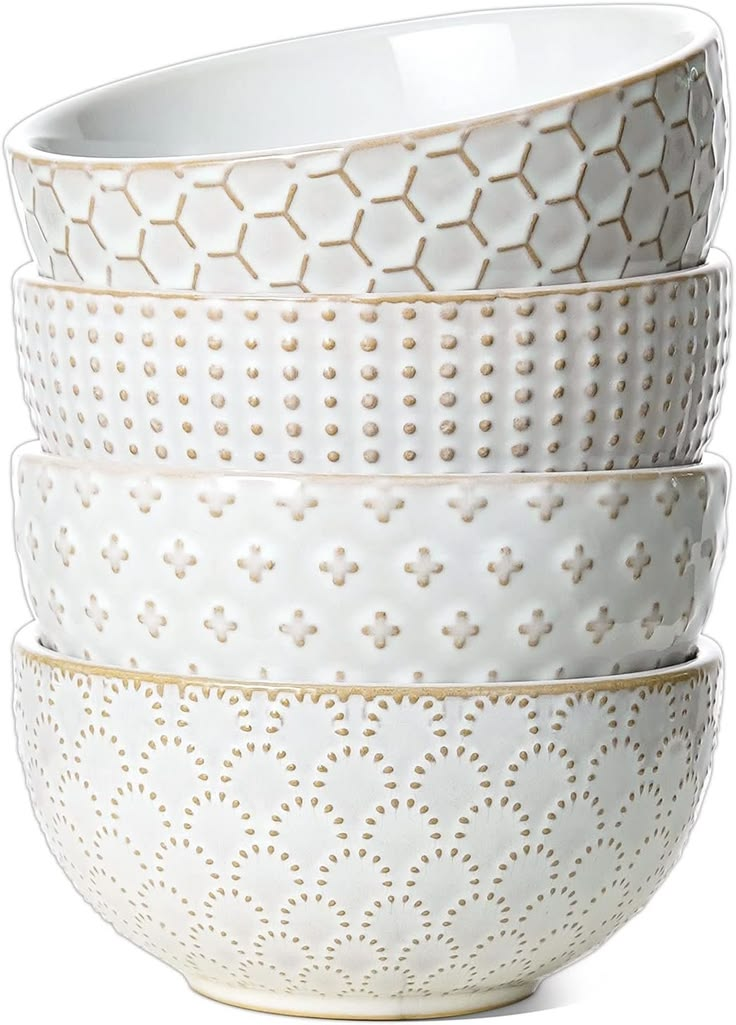
2. ceramic bowl:
· Recommended reason: high-quality ceramic bowl with high temperature firing, good heat resistance, suitable for heating rice, noodles and other solid food. The pigment of the underglaze color ceramic bowl is wrapped by the glaze layer, which will not dissolve at high temperature and has high safety.
· Note: Avoid using overglazed colored ceramic bowls. High temperature may cause pigment to dissolve and pollute food. Check whether there is a "microwave oven applicable" mark on the bottom of the bowl. Ordinary ceramic bowls may break during heating due to high water content. Avoid heating empty bowls to prevent cracking caused by sudden temperature rise; Applicable scenes include household daily heating and slow stewing food heat preservation.
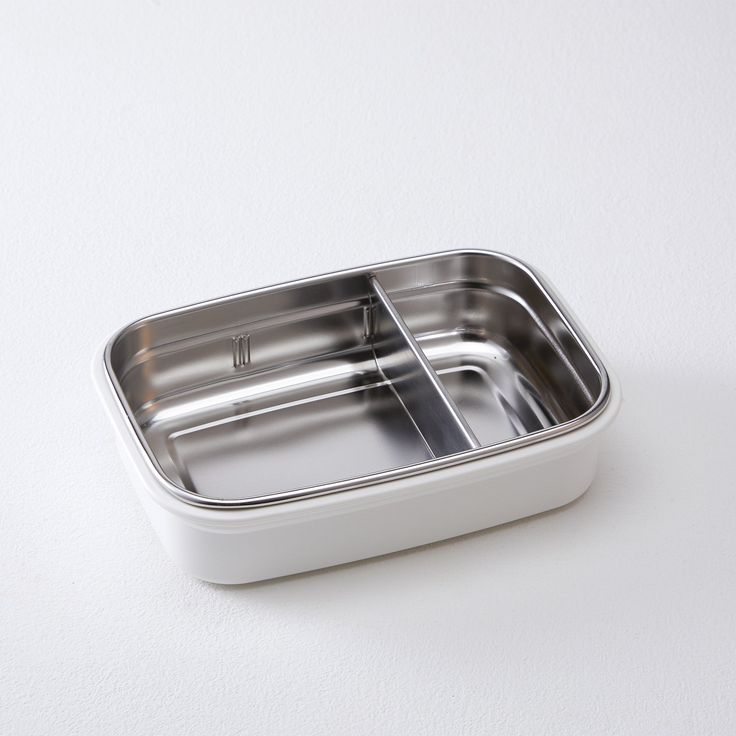
3. stainless steel lunch box:
· Recommended reasons: 304 or 316 medical grade stainless steel lunch box corrosion resistance, high temperature resistance, suitable for heating meals, soup, etc., and not easy to residual odor. Good sealing performance, suitable for use with rice, some models support steam heating.
· Precautions: Avoid using ordinary stainless steel containers, which may precipitate heavy metals at high temperatures due to excessive manganese and nickel content. It is forbidden to burn or heat for too long, which may lead to local overheating and deformation. When heating, open the lid or leave seams to prevent explosion caused by excessive internal pressure. Not suitable for heating acidic or alkaline foods, which may accelerate the precipitation of metal ions.
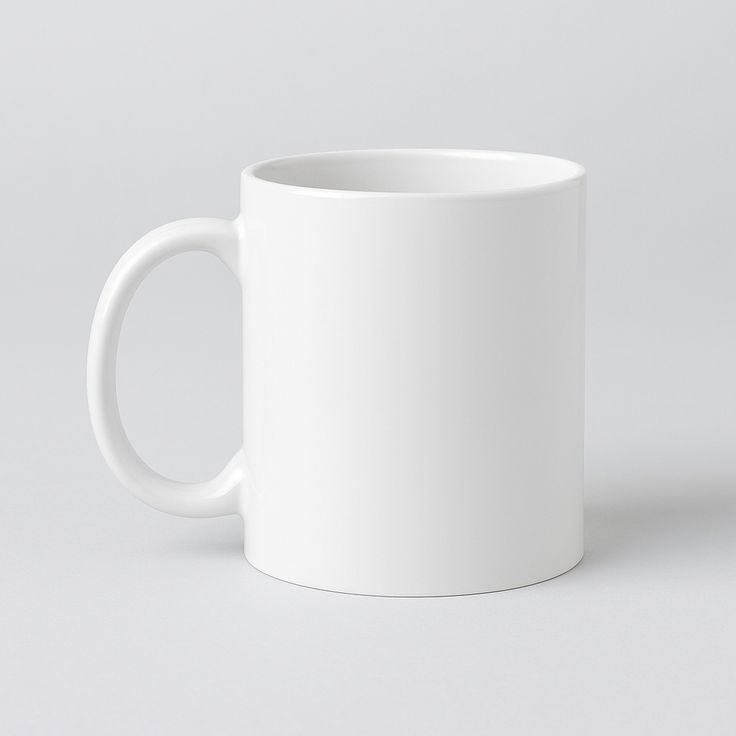
4. Mug:
· Recommended reason: special microwave oven mug made of heat-resistant ceramic or high borosilicate glass material, suitable for heating milk, coffee, tea and other drinks, heating evenly and not easy to overflow. Some models with anti-scald handle design, the use of more secure.
· Precautions: Avoid using ordinary ceramic mugs, which may break during heating due to high water content; It is forbidden to use metal handles or decorative mugs, which may cause arc. When heating liquid, the capacity should be controlled not to exceed 2/3 of the cup body to prevent boiling overflow. Avoid excessive heating time, resulting in excessive hot drinks or loss of nutrients.
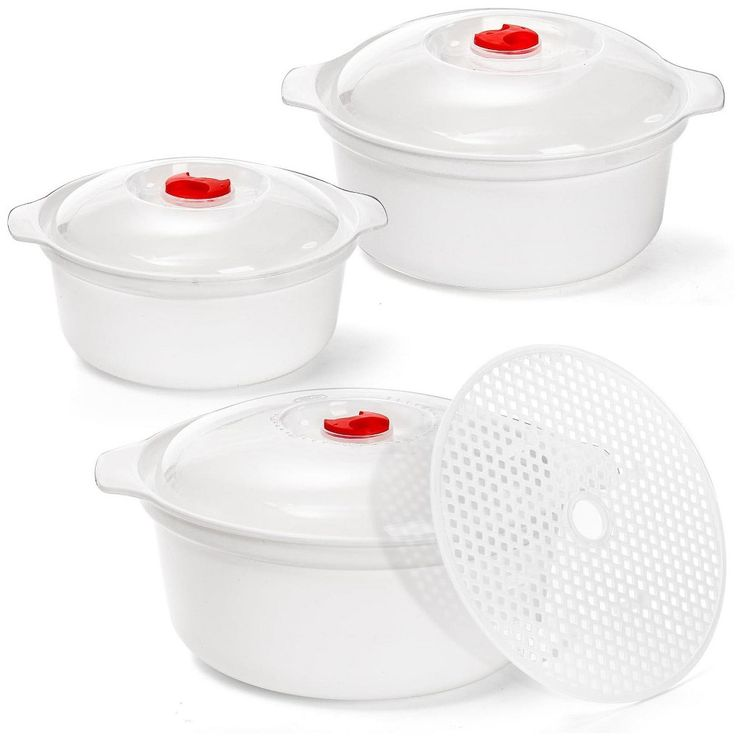
5. microwave oven special bowl:
· Recommended reasons: special bowl with composite material design, such as the inner layer of high borosilicate glass outer plastic anti-scald layer, both heat resistance and safety. Some models have steam holes or exhaust valves, which can adjust the internal pressure and are suitable for heating food materials that need to retain moisture, such as steamed eggs and seafood.
· Precautions: Avoid using non-special plastic bowls, which may release harmful substances such as bisphenol A due to poor heat resistance; Check whether the bowl body has the "microwave oven applicable" mark and temperature range; Avoid heating high-fat food, which may cause container deformation due to excessive temperature; Clean it in time after use to prevent oil residue from affecting the next heating effect.
Conclusion
The choice of microwave oven heating container needs to balance safety, functionality and usage scenarios. Scientific selection of containers, so that every time the microwave oven heating has become a double guarantee of safety and delicious.